issa
Burundi troops in DR Congo, alleged FDLR cooperation and border closures! Contradictions in President Ndayishimiye’s statements

Burundi troops in DR Congo, alleged FDLR cooperation and border closures! Contradictions in President Ndayishimiye’s statements

May 11, 2026 - 10:48
 0

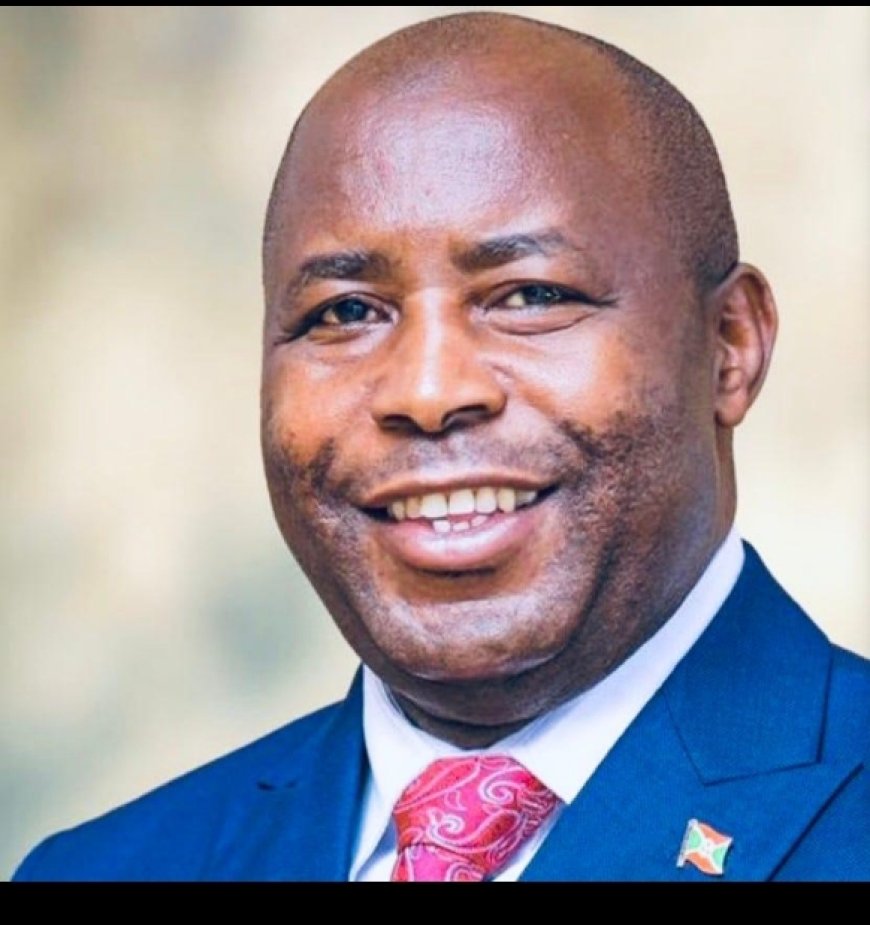
Évariste Ndayishimiye has once again come under scrutiny following comments he made regarding the deteriorating relationship between Rwanda and Burundi, as well as Burundi’s military involvement in eastern Democratic Republic of the Congo. In an interview published


In an interview published by Jeune Afrique⁠ on May 10, 2026, Ndayishimiye defended Burundi’s decision to close parts of its border with DR Congo, particularly the Gatumba and Vugizo crossings near South Kivu Province. He claimed the move was prompted by the advance of the M23 rebel group, which he accused of collaborating with Rwanda.

According to Ndayishimiye, Rwanda poses what he described as a “threat” to Burundi due to the presence of Rwandan forces and M23 rebels near the border. He said Burundi remained hopeful that the Washington peace agreements would increase international pressure on those involved.

The Burundian president also repeated accusations that Rwanda supports the rebel group RED Tabara, which Burundi considers a terrorist organization responsible for attacks inside the country. Rwanda has consistently denied these allegations, insisting it does not support any armed group seeking to destabilize Burundi.

Burundi’s Military Presence in Eastern Congo

Under military cooperation agreements signed between Burundi and DR Congo in 2022 and 2023, Burundi deployed more than 20,000 troops to South Kivu. However, their numbers reportedly decreased in December 2025 after M23 fighters captured large areas in the Ruzizi Plain and the city of Uvira.

Ndayishimiye stated that Burundian troops were sent to DR Congo to support Congolese forces against what he called “their enemy,” arguing that the deployment was approved within a regional framework.

He explained that Burundi was not in DR Congo to defend itself directly, but rather to assist the Congolese army, FARDC, in military operations. He further claimed that regional agreements had assigned South Kivu as Burundi’s operational zone.However, the situation surrounding Burundi’s military role in DR Congo has been controversial. Between 2022 and 2023, Burundian troops operated under two separate arrangements:

One contingent was deployed through bilateral agreements between Burundi and DR Congo, known as TAFOC operations.

Another was part of the East African Community regional force, EACRF, which had been deployed to separate warring sides and support peace negotiations rather than engage in combat.

The EAC regional force was initially tasked with preventing clashes between M23 and FARDC while creating space for dialogue. However, the Congolese government later requested that troops from Burundi, Kenya, Uganda, and South Sudan directly fight M23 rebels.

While the EACRF command rejected that request, Burundi reportedly aligned itself more closely with FARDC and local militia groups known as Wazalendo.

By late 2023, the EAC ordered the withdrawal of its regional force from eastern Congo. Most troops left, but Burundian soldiers remained in Masisi territory and effectively transitioned into bilateral operations alongside FARDC.

Burundi troops in DR Congo, alleged FDLR cooperation and border closures! Contradictions in President Ndayishimiye’s statements

May 11, 2026 - 10:48
 0
Burundi troops in DR Congo, alleged FDLR cooperation and border closures! Contradictions in President Ndayishimiye’s statements

Évariste Ndayishimiye has once again come under scrutiny following comments he made regarding the deteriorating relationship between Rwanda and Burundi, as well as Burundi’s military involvement in eastern Democratic Republic of the Congo. In an interview published


In an interview published by Jeune Afrique⁠ on May 10, 2026, Ndayishimiye defended Burundi’s decision to close parts of its border with DR Congo, particularly the Gatumba and Vugizo crossings near South Kivu Province. He claimed the move was prompted by the advance of the M23 rebel group, which he accused of collaborating with Rwanda.

According to Ndayishimiye, Rwanda poses what he described as a “threat” to Burundi due to the presence of Rwandan forces and M23 rebels near the border. He said Burundi remained hopeful that the Washington peace agreements would increase international pressure on those involved.

The Burundian president also repeated accusations that Rwanda supports the rebel group RED Tabara, which Burundi considers a terrorist organization responsible for attacks inside the country. Rwanda has consistently denied these allegations, insisting it does not support any armed group seeking to destabilize Burundi.

Burundi’s Military Presence in Eastern Congo

Under military cooperation agreements signed between Burundi and DR Congo in 2022 and 2023, Burundi deployed more than 20,000 troops to South Kivu. However, their numbers reportedly decreased in December 2025 after M23 fighters captured large areas in the Ruzizi Plain and the city of Uvira.

Ndayishimiye stated that Burundian troops were sent to DR Congo to support Congolese forces against what he called “their enemy,” arguing that the deployment was approved within a regional framework.

He explained that Burundi was not in DR Congo to defend itself directly, but rather to assist the Congolese army, FARDC, in military operations. He further claimed that regional agreements had assigned South Kivu as Burundi’s operational zone.However, the situation surrounding Burundi’s military role in DR Congo has been controversial. Between 2022 and 2023, Burundian troops operated under two separate arrangements:

One contingent was deployed through bilateral agreements between Burundi and DR Congo, known as TAFOC operations.

Another was part of the East African Community regional force, EACRF, which had been deployed to separate warring sides and support peace negotiations rather than engage in combat.

The EAC regional force was initially tasked with preventing clashes between M23 and FARDC while creating space for dialogue. However, the Congolese government later requested that troops from Burundi, Kenya, Uganda, and South Sudan directly fight M23 rebels.

While the EACRF command rejected that request, Burundi reportedly aligned itself more closely with FARDC and local militia groups known as Wazalendo.

By late 2023, the EAC ordered the withdrawal of its regional force from eastern Congo. Most troops left, but Burundian soldiers remained in Masisi territory and effectively transitioned into bilateral operations alongside FARDC.