Kinyarwanda
 English





Indonesia moves to tighten control over natural resource exports through state-owned firms

Firms Prabowo Subianto has announced a major policy shift aimed at tightening government control over the export of Indonesia’s natural resources, with state-owned enterprises expected to play a central role in managing the sector.

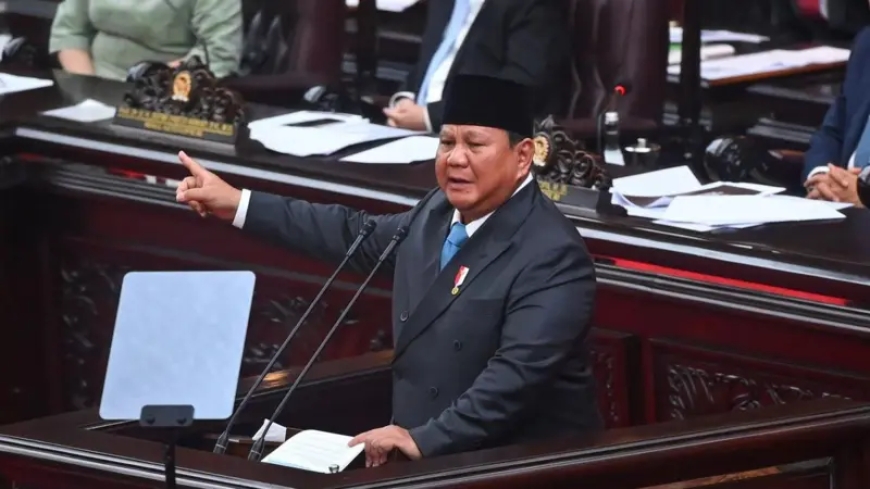
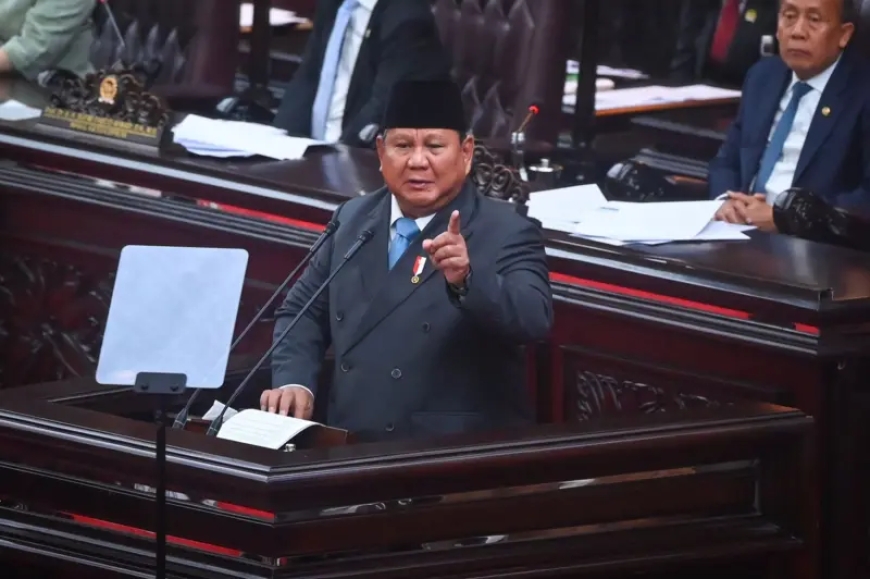
The Indonesian leader revealed the plan while addressing a plenary session of Parliament on Wednesday, saying the government would soon introduce new regulations to improve transparency and strengthen oversight in the export industry.
According to Prabowo, the upcoming policy will focus on strategic commodities including palm oil, coal, and iron alloy products. Under the new framework, exports of these resources will be supervised and coordinated through Indonesia’s state-owned enterprises (BUMN), a move the government believes will help protect national interests and maximize economic benefits.
Prabowo explained that the regulation, expected to be officially issued on Wednesday, is part of a broader effort to reform the country’s natural resource management system. He stressed that Indonesia must ensure its vast natural wealth contributes more directly to domestic development, industrial growth, and public welfare.
The president stated that Indonesia has for many years relied heavily on exporting raw or semi-processed materials, while foreign companies and international markets enjoyed larger profits from downstream industries. Through tighter export governance, the government hopes to encourage more local processing and industrialization inside the country.
Officials say the policy is also designed to reduce illegal trade practices, improve export monitoring, and stabilize prices of key commodities in global markets. By placing greater responsibility on state-owned companies, authorities believe they can better regulate supply chains and strengthen accountability.
Indonesia is currently one of the world’s leading producers of palm oil and coal, making the country highly influential in global commodity markets. Any significant change in its export policies is expected to attract international attention, especially from major trading partners that depend on Indonesian raw materials.
Economic analysts believe the move could increase state revenues and strengthen Indonesia’s bargaining power internationally. However, some business groups are expected to closely monitor how the regulations will be implemented, particularly regarding the involvement of private exporters and the potential impact on trade competitiveness.
Prabowo insisted that the policy is not intended to restrict trade, but rather to ensure Indonesia gains greater long-term value from its natural resources while maintaining sustainable economic growth.
The government is expected to release more detailed implementation guidelines in the coming days once the regulation officially takes effect.