issa
Timor-Leste cancels $700 million Dili township project after 18 years of delays

Timor-Leste cancels $700 million Dili township project after 18 years of delays

May 14, 2026 - 11:00
 0

The government of Timor-Leste has officially cancelled a long-delayed township development project in the capital, Dili, ending nearly two decades of uncertainty surrounding one of the country’s biggest proposed investments.


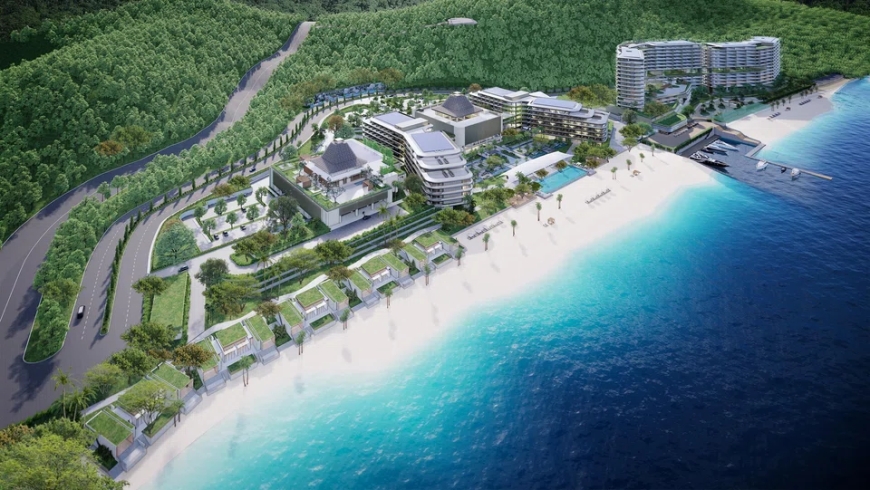
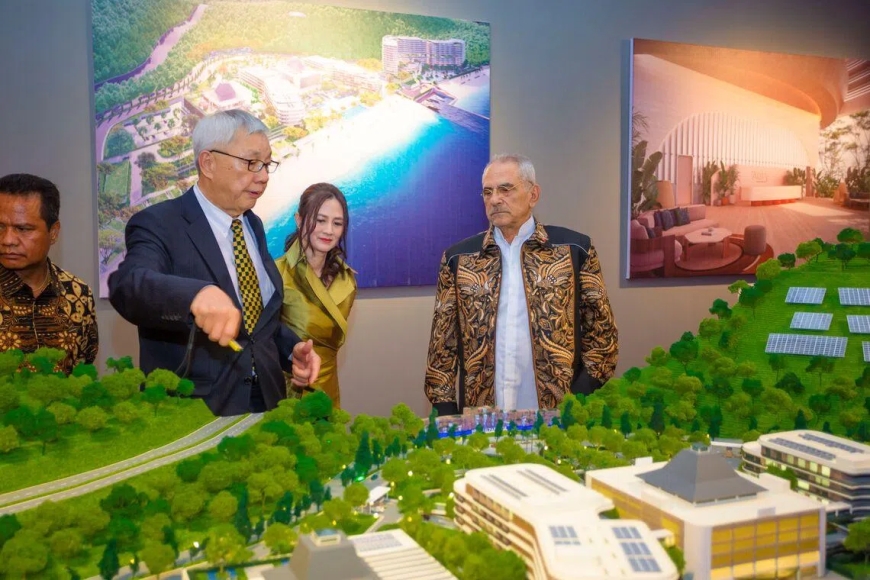
The mixed-use project, which was expected to transform parts of Dili into a modern urban hub featuring residential buildings, hotels, offices and commercial spaces, had attracted major attention since it was first announced. Its initial phase alone was estimated to cost around US$700 million, making it one of the most ambitious real estate developments ever proposed in the young nation.

According to reports, officials from the Timor-Leste government said the decision was taken because the project had shown little meaningful progress despite being under discussion for approximately 18 years. Authorities reportedly felt the development had remained stagnant for too long without visible construction or implementation on the ground.

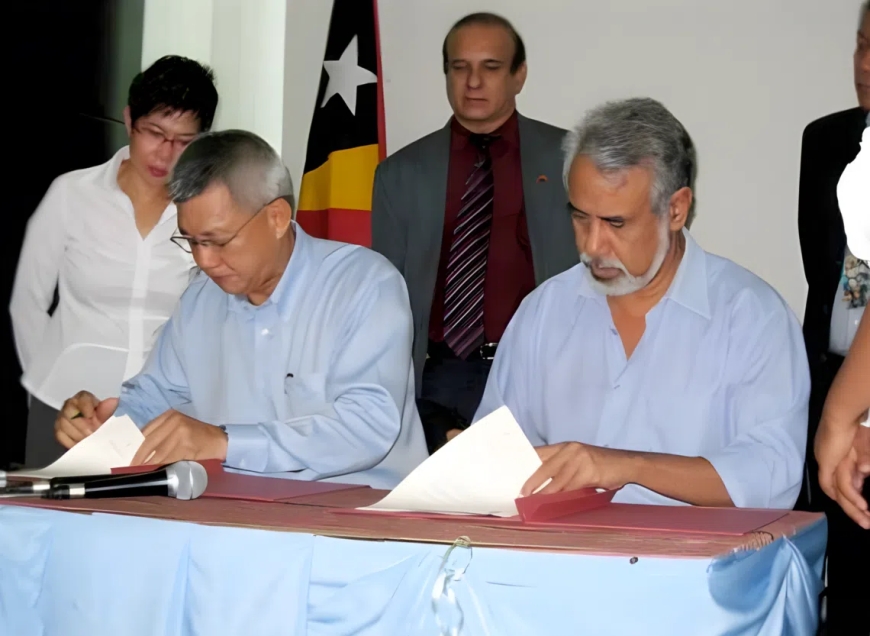
The Singapore-based developer behind the project expressed surprise and disappointment at the government’s move, saying the cancellation came unexpectedly. Representatives involved in the development claimed they had continued engaging with authorities and did not anticipate the agreement being terminated so suddenly.

The scrapping of the project has sparked conversations about investor confidence and the challenges foreign developers face in emerging markets. Analysts say large-scale infrastructure and property projects in developing countries often encounter obstacles linked to financing, land management, political transitions and regulatory changes, which can significantly slow progress.

Despite the cancellation, experts believe Timor-Leste still holds strong long-term investment potential due to its strategic location, growing urban population and ongoing efforts to diversify its economy beyond oil and gas revenues. However, observers say future investors may now seek clearer timelines, stronger legal guarantees and improved coordination with government institutions before committing to projects of similar scale.

Timor-Leste cancels $700 million Dili township project after 18 years of delays

May 14, 2026 - 11:00
May 14, 2026 - 14:38
 0
Timor-Leste cancels $700 million Dili township project after 18 years of delays

The government of Timor-Leste has officially cancelled a long-delayed township development project in the capital, Dili, ending nearly two decades of uncertainty surrounding one of the country’s biggest proposed investments.


The mixed-use project, which was expected to transform parts of Dili into a modern urban hub featuring residential buildings, hotels, offices and commercial spaces, had attracted major attention since it was first announced. Its initial phase alone was estimated to cost around US$700 million, making it one of the most ambitious real estate developments ever proposed in the young nation.

According to reports, officials from the Timor-Leste government said the decision was taken because the project had shown little meaningful progress despite being under discussion for approximately 18 years. Authorities reportedly felt the development had remained stagnant for too long without visible construction or implementation on the ground.

The Singapore-based developer behind the project expressed surprise and disappointment at the government’s move, saying the cancellation came unexpectedly. Representatives involved in the development claimed they had continued engaging with authorities and did not anticipate the agreement being terminated so suddenly.

The scrapping of the project has sparked conversations about investor confidence and the challenges foreign developers face in emerging markets. Analysts say large-scale infrastructure and property projects in developing countries often encounter obstacles linked to financing, land management, political transitions and regulatory changes, which can significantly slow progress.

Despite the cancellation, experts believe Timor-Leste still holds strong long-term investment potential due to its strategic location, growing urban population and ongoing efforts to diversify its economy beyond oil and gas revenues. However, observers say future investors may now seek clearer timelines, stronger legal guarantees and improved coordination with government institutions before committing to projects of similar scale.