Kinyarwanda
 English





“It Is Not Poor Service, It Is a Crime” President Kagame Calls Out Accountability Failures Among Leaders

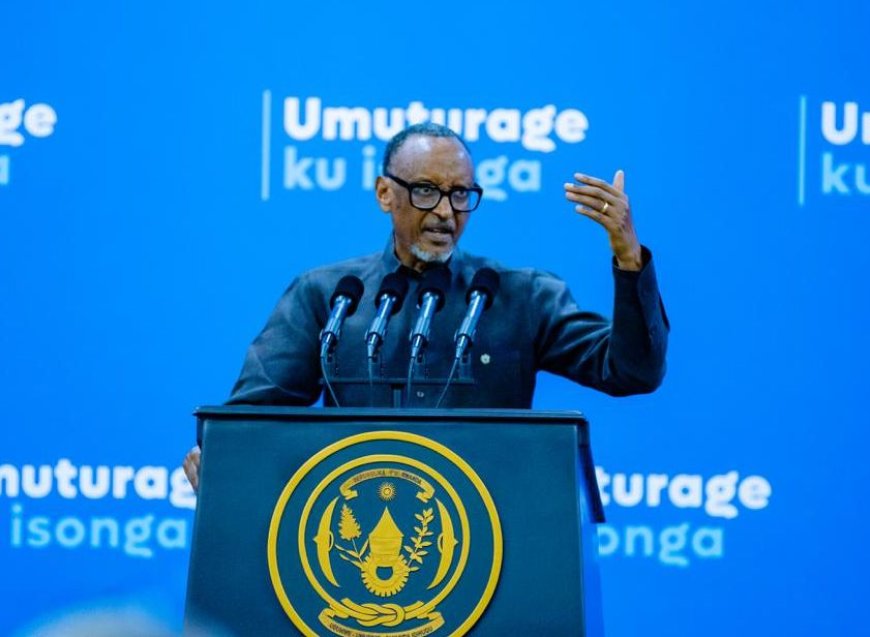
On Monday, Paul Kagame delivered a strong message on accountability and leadership during the Central and Local Government Meeting held at the Rwanda Military Academy Gako.

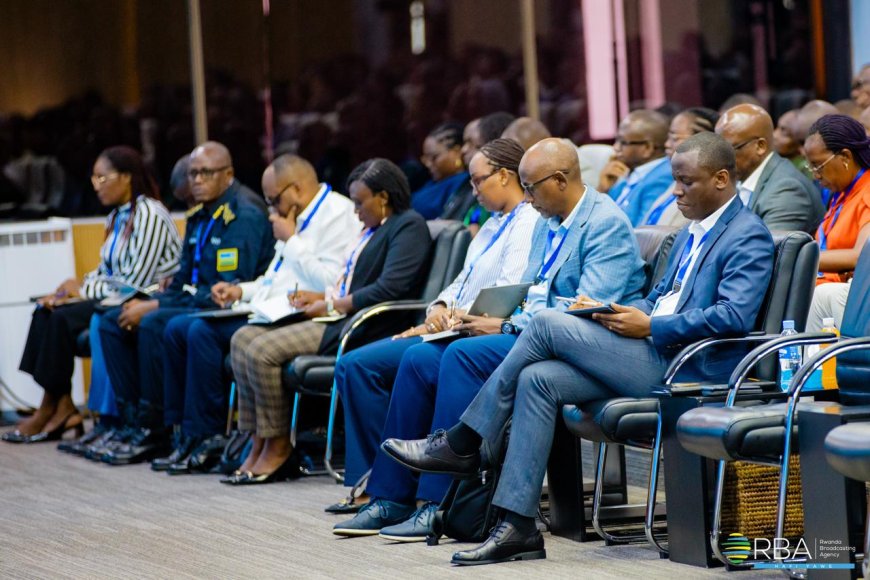
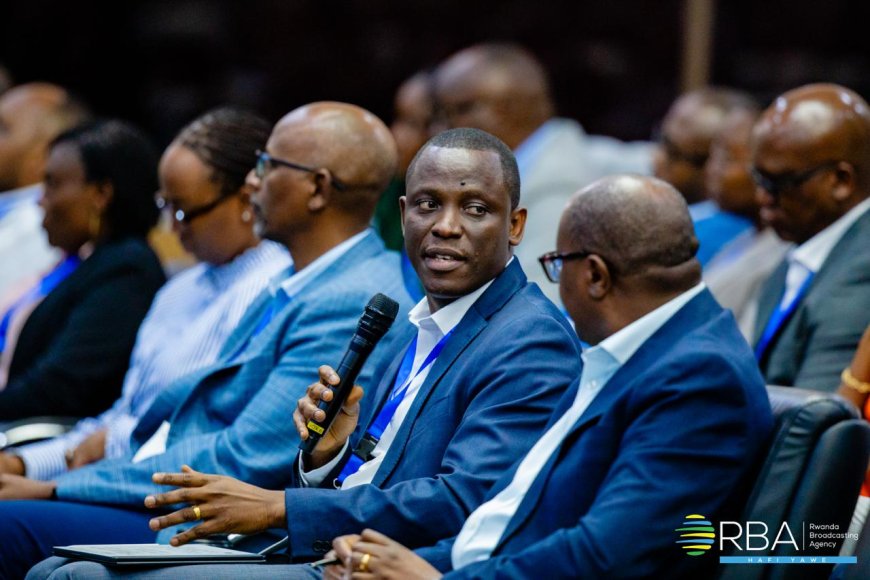
The high-level meeting brought together leaders from central government institutions, local authorities, and the private sector to openly assess national challenges and commit to sustainable solutions, all centered on putting citizens first.
In his address, President Kagame sharply criticized a recurring pattern among some leaders who repeatedly make mistakes, apologize, and yet go on to repeat the same failures.
To illustrate the consequences of negligence, he cited the Muvumba Multipurpose Water Resources Development Program, a major initiative intended to provide clean water, boost irrigation, generate electricity, support livestock farming, and control flooding in Nyagatare District and surrounding areas.
He stressed that it is unacceptable for a single individual’s negligence to derail a project meant to benefit thousands.
“One person cannot block a project meant to provide water to 10,000 people simply because they forgot. Do you understand how serious that is?”
President Kagame condemned the tendency of leaders to excuse failures by claiming forgetfulness, noting that this has been a persistent issue for over three decades.
He further emphasized that poor planning remains a major obstacle, warning that projects initiated without clear and proper planning are doomed to fail.
“You cannot achieve results from something you never properly planned.”
In one of his strongest remarks, he underscored the gravity of poor service delivery:
“It is not poor service, it is a crime.”
The President also referenced a tragic case in Karongi District, where a woman died after being denied treatment at a health center due to issues with her community-based health insurance (Mutuelle de Santé). He questioned the need to repeatedly remind leaders about fundamental responsibilities such as fighting corruption and ensuring basic service delivery.
Kagame warned against leaders being distracted by upcoming elections at the expense of their current responsibilities, urging them to focus on tangible results and accountability.
He challenged officials to break cycles of repeated mistakes, asking:
“Why should I repeat the same mistakes made by the person I replaced?”
Despite the criticism, President Kagame acknowledged the efforts of many leaders and commended the constructive discussions held during the meeting. However, he pointed out that many of the issues raised have been discussed multiple times before, suggesting the need to dig deeper into underlying problems.
The meeting concluded with a renewed call for leaders to move beyond rhetoric and take decisive, responsible action to deliver meaningful change for citizens.