issa
Minister Uwimana urges Women Leaders to strengthen participation in Local Governance

Minister Uwimana urges Women Leaders to strengthen participation in Local Governance

Mar 6, 2026 - 10:09
 0

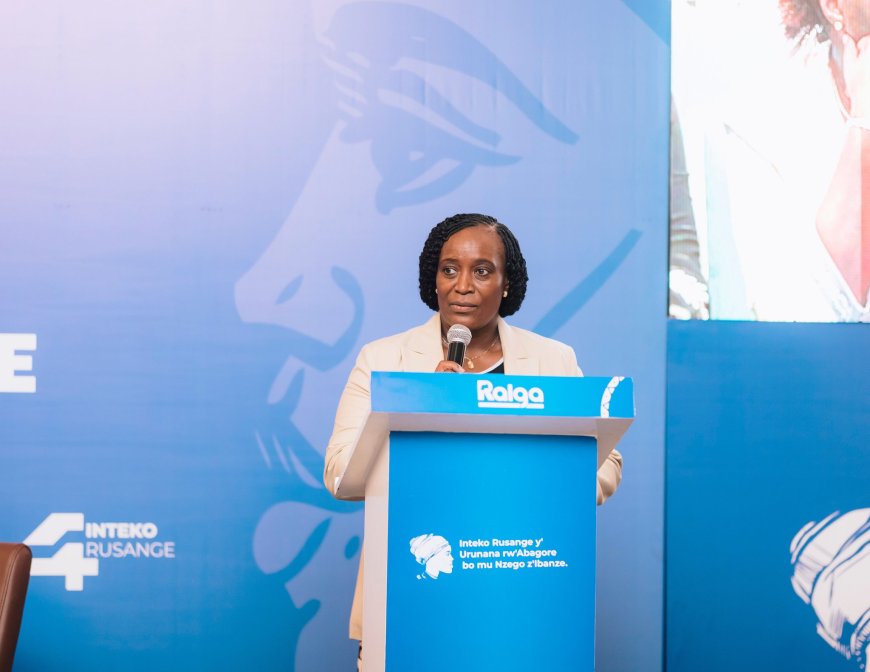
Consolée Uwimana, Rwanda’s Minister of Gender and Family Promotion, has called on women serving in local government to strengthen their leadership and mobilize citizens to actively participate in the upcoming local elections.


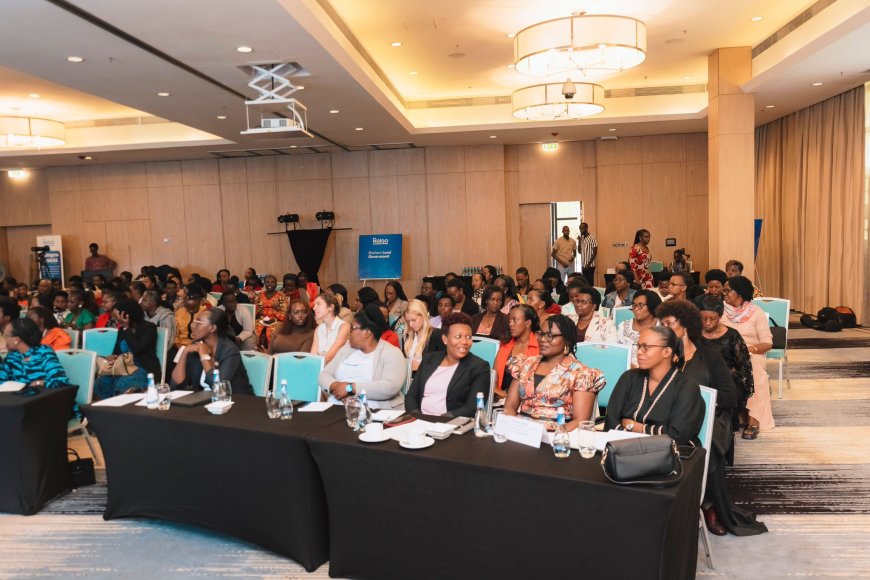
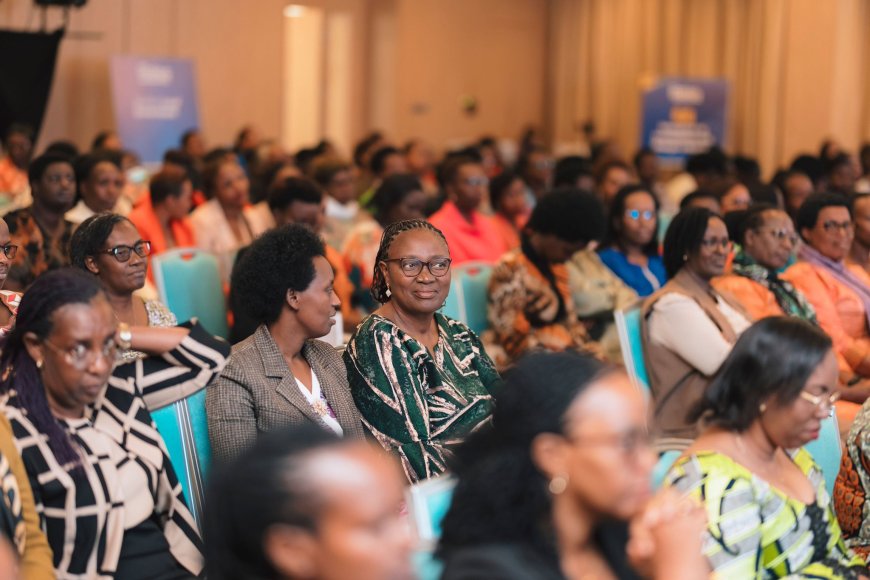
She made the remarks while opening the 4th General Assembly of the network of women leaders in local government organized by the Rwanda Association of Local Government Authorities (RALGA).

The forum aims to empower women holding leadership roles in grassroots governance, helping them better understand their responsibilities and improve their effectiveness in serving communities.

Minister Uwimana noted that Rwanda has strong political will, as well as policies and laws that provide equal opportunities for women and men. She explained that the country’s National Gender Policy emphasizes that sustainable development can only be achieved when everyone is given a chance to contribute.

However, she acknowledged that despite this political commitment, many women are still reluctant to take up decision-making positions, particularly in governance structures closest to citizens.

“We clearly know that local government institutions are the foundation of governance. They are closest to the people; they receive citizens’ concerns and help find solutions. When women are not adequately represented in these structures to contribute to decisions that affect them, it becomes a loss,” she said.

The minister also highlighted the important role of local leaders in shaping the next generation, urging women in leadership positions to serve as role models for young girls and demonstrate that women are capable and valuable contributors to national development.

She further called on women leaders to take the lead in encouraging both women and men to participate in the upcoming local government elections, reminding them that voting is a civic duty for every Rwandan citizen. She particularly urged women to consider standing as candidates.

According to the minister, the initiative provides hope for closing the leadership gap.

“We believe this program will help bridge the gap because it gives young women the confidence and opportunity to recognize their potential and build the courage to take on leadership roles,” she said.

Statistics from Rwanda Association of Local Government Authorities (RALGA) as of January 2026 show that women represent 41% of district council members, 30% of district mayors, and 30% of deputy mayors in charge of economic affairs. However, women account for only 17% of sector executive secretaries and 28% of cell leaders, while women make up 39% of members in village executive committees.

The figures highlight the progress Rwanda has made in promoting gender equality while also underscoring the need for continued efforts to ensure greater representation of women in decision-making positions at all levels of governance.

Minister Uwimana urges Women Leaders to strengthen participation in Local Governance

Mar 6, 2026 - 10:09
 0
Minister Uwimana urges Women Leaders to strengthen participation in Local Governance

Consolée Uwimana, Rwanda’s Minister of Gender and Family Promotion, has called on women serving in local government to strengthen their leadership and mobilize citizens to actively participate in the upcoming local elections.


She made the remarks while opening the 4th General Assembly of the network of women leaders in local government organized by the Rwanda Association of Local Government Authorities (RALGA).

The forum aims to empower women holding leadership roles in grassroots governance, helping them better understand their responsibilities and improve their effectiveness in serving communities.

Minister Uwimana noted that Rwanda has strong political will, as well as policies and laws that provide equal opportunities for women and men. She explained that the country’s National Gender Policy emphasizes that sustainable development can only be achieved when everyone is given a chance to contribute.
However, she acknowledged that despite this political commitment, many women are still reluctant to take up decision-making positions, particularly in governance structures closest to citizens.

“We clearly know that local government institutions are the foundation of governance. They are closest to the people; they receive citizens’ concerns and help find solutions. When women are not adequately represented in these structures to contribute to decisions that affect them, it becomes a loss,” she said.

The minister also highlighted the important role of local leaders in shaping the next generation, urging women in leadership positions to serve as role models for young girls and demonstrate that women are capable and valuable contributors to national development.

She further called on women leaders to take the lead in encouraging both women and men to participate in the upcoming local government elections, reminding them that voting is a civic duty for every Rwandan citizen. She particularly urged women to consider standing as candidates.

According to the minister, the initiative provides hope for closing the leadership gap.

“We believe this program will help bridge the gap because it gives young women the confidence and opportunity to recognize their potential and build the courage to take on leadership roles,” she said.

Statistics from Rwanda Association of Local Government Authorities (RALGA) as of January 2026 show that women represent 41% of district council members, 30% of district mayors, and 30% of deputy mayors in charge of economic affairs. However, women account for only 17% of sector executive secretaries and 28% of cell leaders, while women make up 39% of members in village executive committees.

The figures highlight the progress Rwanda has made in promoting gender equality while also underscoring the need for continued efforts to ensure greater representation of women in decision-making positions at all levels of governance.